Fork service is handling service
The fork is not just two tubes holding the front wheel. It controls braking stability, steering feel, tyre contact and rider confidence. That is why proper fork service is not just replacing seals. It is diagnosis, cleaning, inspection, correct parts, correct fork oil and precise oil level.
At Iron Custom Motors, we treat front fork service as a handling and safety job.
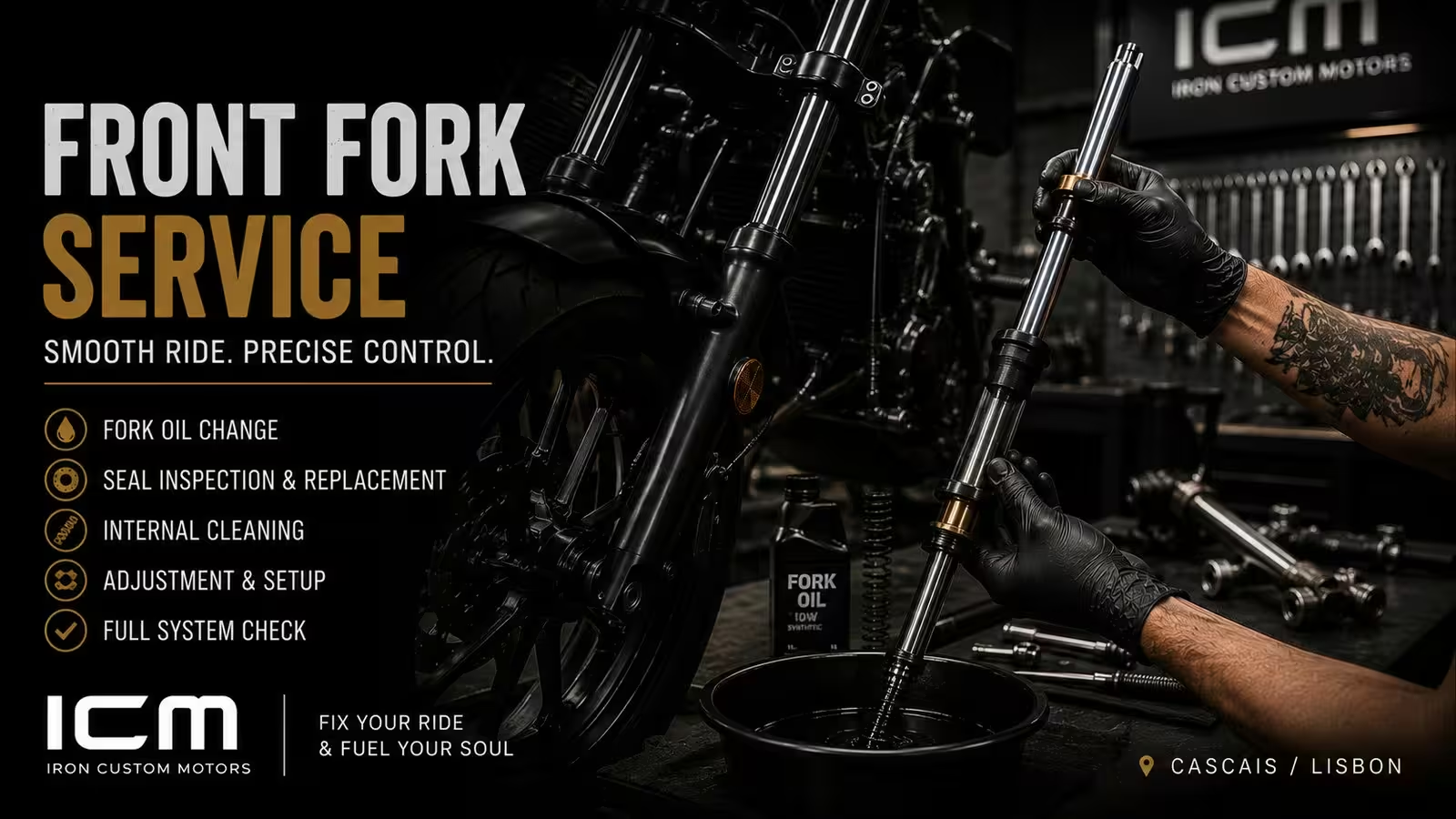
Watch the front fork service
A short look at front fork service: fork oil, seal inspection, internal cleaning and precise setup checked as one handling system.
Open on YouTubeWhy It Matters
The front fork supports the front of the motorcycle, absorbs bumps and controls how the bike behaves under braking. When it works properly, the motorcycle turns cleanly, brakes with control and holds the road with confidence.
When the fork is tired, the symptoms can be subtle:
In Cascais and Lisbon, motorcycles deal with city traffic, speed bumps, coastal roads, humidity, sea air and weekend rides. The fork works constantly, even when the rider does not think about it.
- excessive dive under braking;
- vague steering;
- harshness over small bumps;
- knocking or clicking from the front;
- oil around the fork seal;
- uneven front tyre wear;
- instability when braking or cornering.
Fork Seals Are Only the Visible Part
A leaking fork seal is easy to notice, but the seal itself is not always the root cause.
Fork seals can fail because of age, dirt, dried contamination, corrosion, stone chips, damaged fork tubes or worn internal guides. If we replace only the seal and ignore the reason it failed, the new seal may start leaking again.
That is why we always inspect the fork tubes, dust seals, retaining areas and sealing surfaces before reassembly.
Bushings and Guides Matter
Inside the fork, bushings and guide components control how smoothly the fork tubes slide. Riders do not see them, but they affect seal life, fork alignment, braking stability and suspension feel.
If the guides are worn, the fork can develop play or friction. New seals fitted into a fork with worn bushings are not a proper repair. When needed, we replace the seals and guides together, because the fork must work cleanly as a complete sliding system.
Fork Oil: Correct Viscosity, Not Guesswork
Fork oil is not just fluid inside the fork. It is part of the damping system.
If the oil is too thin for the motorcycle, the fork can feel loose, soft or underdamped. If it is too thick, the fork can feel harsh, slow or sticky over small bumps.
The correct viscosity depends on the motorcycle, fork design, rider weight, riding style and manufacturer specification. That is why we do not choose fork oil “by habit.” We use the correct specification for the motorcycle and the actual fork system.
Oil Level Is Critical
Fork oil level is one of the most important details in this job.
Many people think only oil quantity matters. In reality, the oil level — often measured as an air gap — changes how the fork behaves, especially near the end of travel.
Too much oil can make the fork harsh and increase internal pressure. Too little oil can reduce support and make the fork dive too much or bottom too easily.
The correct level depends on the fork design and service procedure. It should not be estimated by eye. Both fork legs must be measured and matched properly. A few millimeters can change how the front end feels.
Cleaning Is Part of the Repair
When we service a fork, we do not just drain oil and install new parts.
Old fork oil can carry metal particles, seal material, bushing wear residue and dirt. If the fork is assembled dirty, the new oil becomes contaminated quickly and new parts wear faster.
All internal parts must be carefully cleaned. In Portugal’s coastal climate, we also pay close attention to corrosion. A small rust mark on a fork tube can damage a new seal very quickly.
What Riders Often Miss
- A leaking seal may be a symptom, not the cause.
- Worn bushings can destroy new seals.
- Fork oil ages even when the bike is not ridden hard.
- Oil level changes braking feel and support under deep compression.
- Fork service affects brakes and tyres because it changes how the front tyre loads the road.
- Both fork legs must work as a matched pair.
When to Visit a Workshop
Book a fork inspection if you notice:
Fork oil leaks should not be ignored. Oil near the front wheel and brakes is a safety issue.
- oil on the fork tube;
- dirt stuck around the seal;
- excessive dive under braking;
- knocking or looseness at the front;
- vague steering;
- harshness over small bumps;
- unusual front tyre wear;
- instability during braking;
- oil near the brake caliper or disc.
What We Check at Iron Custom Motors
At Iron Custom Motors, front fork service starts with diagnosis.
We inspect the fork tubes, seals, dust seals, bushings, guides, springs, oil condition, corrosion and front-end behavior. When seals or guides are worn, we replace what needs to be replaced. We clean all parts thoroughly before assembly.
We use fork oil of the correct viscosity and set the oil level precisely according to the motorcycle’s specification. After service, we check alignment, cleanliness, leakage and front-end feel.
For custom motorcycles, Harley-Davidson models, touring bikes and premium motorcycles, we also look at the whole system: rider use, tyres, brakes, rear suspension, weight, luggage and real riding conditions around Cascais and Lisbon.
On our service page this job is listed as fork seals from 150 €, suspension service; the exact figure for your fork goes into the written estimate before we start.
Conclusion
Front fork service is not just about stopping an oil leak.
Fresh seals matter. Good guides matter. Clean internal parts matter. Correct oil viscosity matters. Accurate oil level matters a lot.
The front fork is where braking, steering, suspension and tyre grip meet. Servicing it properly gives the rider more control, more confidence and a motorcycle that feels right again.
Front fork service FAQ
How do I know if my fork seals are leaking?
Oil on the fork tube, wetness around the seal or dirt sticking to the fork leg are common signs. If the leak gets worse, it can affect damping and contaminate brake components.
Is replacing fork seals enough?
Not always. The fork tubes, guides, bushings and internal condition must also be checked. If these parts are worn, new seals may fail again.
Why is fork oil viscosity important?
Fork oil controls damping. The wrong viscosity can make the fork too soft, too harsh, too slow or inconsistent.
Why is fork oil level important?
Oil level changes the air chamber inside the fork. It affects support under braking and deep compression. Incorrect level can seriously change the front-end feel.
Does fork service affect braking?
Yes. The fork controls how the front tyre is loaded under braking. Poor fork condition can make braking feel unstable or less predictable.
Book a front fork inspection.
If your motorcycle dives too much under braking, feels vague in corners, shows oil on the fork tubes or has not had its front fork checked for a long time, book a front fork inspection at Iron Custom Motors in Cascais. We will diagnose the system properly and service it with the right parts, clean assembly, correct oil and precise oil level.